Sustainable Creativity: The Science Behind MicroHues Pigments
- Adrianna Sasser
- Jul 19
- 4 min read
In a world increasingly focused on sustainability, the quest for eco-friendly materials has never been more critical. One area where this is particularly evident is in the realm of pigments. MicroHues pigments stand out as a remarkable example of how science and creativity can merge to create sustainable solutions. This blog post will explore the science behind MicroHues pigments, their applications, and how they contribute to a more sustainable future.
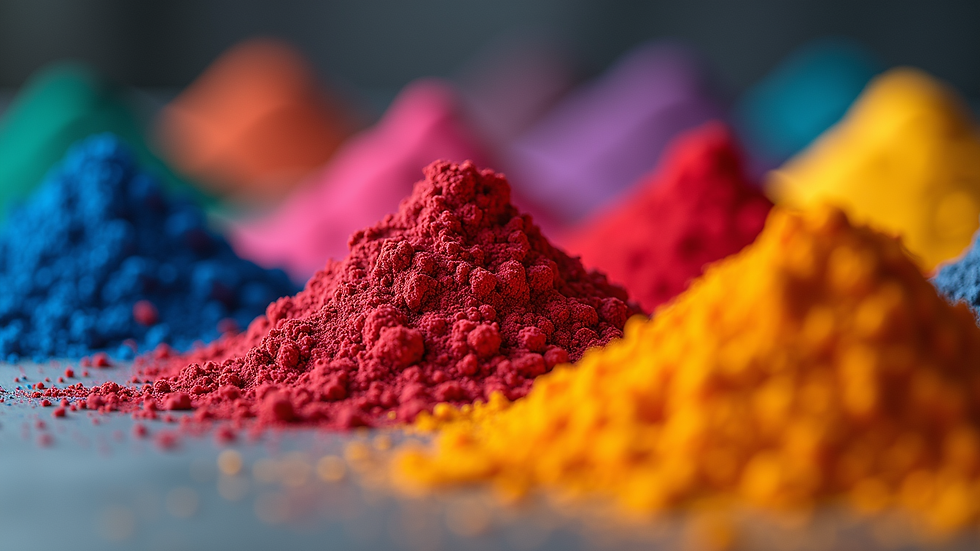
Understanding MicroHues Pigments
MicroHues pigments are a type of colorant derived from natural sources, designed to be environmentally friendly. Unlike traditional pigments that may contain harmful chemicals, MicroHues pigments are made from renewable resources, making them a safer choice for both the environment and human health.
What Are MicroHues Pigments?
MicroHues pigments are finely ground colorants that can be used in a variety of applications, including:
Paints and Coatings: Ideal for both interior and exterior applications, providing vibrant colors without toxic substances.
Plastics: Used in manufacturing processes to create colorful, durable products.
Cosmetics: Safe for skin contact, making them suitable for makeup and personal care items.
The Science Behind MicroHues
The development of MicroHues pigments involves a combination of chemistry and innovative processing techniques. Here’s a closer look at the science:
Natural Sourcing: MicroHues pigments are derived from natural minerals and organic materials. This sourcing reduces reliance on synthetic chemicals that can be harmful to the environment.
Processing Techniques: The pigments undergo a meticulous grinding process to achieve the desired particle size. This ensures that the colors are vibrant and consistent, enhancing their usability across various applications.
Color Stability: One of the significant advantages of MicroHues pigments is their stability. They are designed to resist fading and degradation, ensuring that products maintain their color over time.
The Benefits of Using MicroHues Pigments
The adoption of MicroHues pigments offers numerous benefits, particularly in the context of sustainability and health.
Environmental Impact
Reduced Toxicity: By using natural sources, MicroHues pigments minimize the release of harmful chemicals into the environment. This is crucial for reducing pollution and protecting ecosystems.
Biodegradability: Many MicroHues pigments are biodegradable, meaning they break down naturally over time, reducing landfill waste.
Health Benefits
Non-Toxic: Unlike traditional pigments that may contain heavy metals or other harmful substances, MicroHues pigments are safe for human use, making them ideal for products that come into contact with skin.
Allergen-Free Options: Many consumers are increasingly concerned about allergens in cosmetics and personal care products. MicroHues pigments offer hypoallergenic alternatives that cater to sensitive skin.
Applications of MicroHues Pigments
MicroHues pigments are versatile and can be used in various industries. Here are some notable applications:
Art and Craft Supplies
Artists and crafters are always on the lookout for high-quality pigments that are safe to use. MicroHues pigments provide a vibrant palette for painting, crafting, and other creative endeavors. Their non-toxic nature makes them suitable for children’s art supplies as well.
Home Decor
In the realm of home decor, MicroHues pigments are used in paints and coatings. Homeowners can achieve beautiful, vibrant colors without compromising on safety or environmental impact. This is particularly appealing for eco-conscious consumers looking to renovate their spaces sustainably.
Personal Care Products
The cosmetics industry is rapidly shifting towards natural ingredients. MicroHues pigments are increasingly being incorporated into makeup and skincare products, providing color without harmful additives. This trend aligns with the growing demand for clean beauty products.
Case Studies: Successful Implementation of MicroHues Pigments
Eco-Friendly Paints
One company, GreenCoat, has successfully integrated MicroHues pigments into their line of eco-friendly paints. By using these pigments, they have reduced their carbon footprint and provided consumers with a safer alternative to traditional paints. Their products have gained popularity among environmentally conscious homeowners.
Sustainable Cosmetics Brand
Another example is the cosmetics brand PureGlow, which has embraced MicroHues pigments in their makeup line. By prioritizing natural ingredients, they have attracted a loyal customer base that values sustainability. Their products not only perform well but also align with the values of their target audience.
The Future of MicroHues Pigments
As the demand for sustainable products continues to rise, the future of MicroHues pigments looks promising. Innovations in sourcing and processing are likely to enhance their applications further. Here are some potential developments to watch for:
Expanded Color Range
Research and development in the field of natural pigments may lead to an expanded color palette for MicroHues pigments. This could open new doors for artists and manufacturers alike, allowing for greater creativity and expression.
Enhanced Performance
Ongoing advancements in technology may improve the performance of MicroHues pigments, making them even more durable and versatile. This could lead to broader adoption across various industries.
Increased Awareness and Education
As consumers become more aware of the benefits of sustainable products, education around MicroHues pigments will be crucial. Companies that prioritize transparency and provide information about their sourcing and production processes will likely gain a competitive edge.
Conclusion
MicroHues pigments represent a significant step towards sustainable creativity. By combining science with eco-friendly practices, these pigments offer a viable alternative to traditional colorants. Their applications span various industries, from art supplies to cosmetics, making them a versatile choice for consumers and manufacturers alike.
As we move forward, the importance of sustainable materials will only grow. Embracing innovations like MicroHues pigments not only benefits the environment but also supports a healthier future for all. The next time you consider color in your projects, think about the impact of your choices and explore the vibrant world of MicroHues pigments.


Comments